Optimal Timing for Concrete Installations
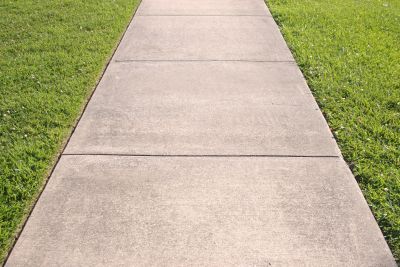
Spring offers moderate temperatures and lower humidity, ideal for concrete setting and curing.
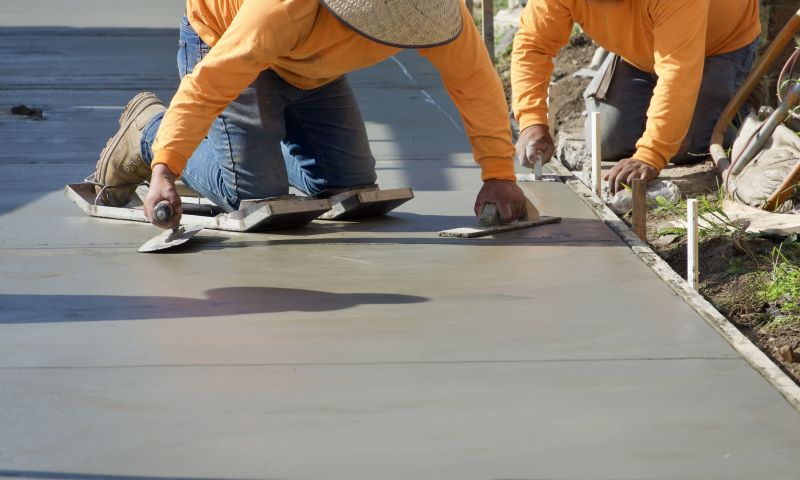
Summer can be suitable with proper planning to avoid high heat and rapid drying that may cause cracking.
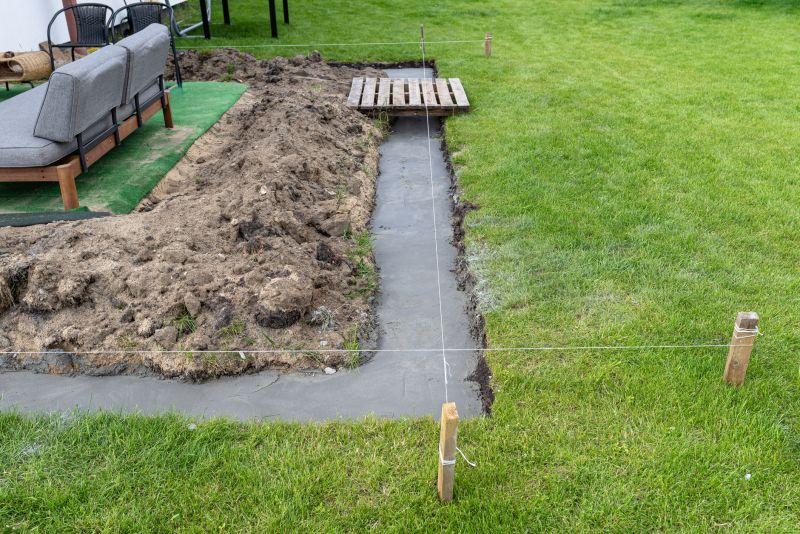
Fall provides cooler temperatures and less rain, making it a favorable season for installations.
Concrete installations require careful timing to ensure durability and quality. Temperature and moisture levels significantly influence curing processes. Optimal conditions typically involve temperatures between 50 and 85 degrees Fahrenheit, with low humidity and minimal rainfall. Proper timing reduces the risk of cracking, scaling, and other issues that compromise the longevity of the concrete.
Extreme cold or heat can hinder proper curing. Installing during mild weather ensures better results.
Avoiding rainy periods prevents water from disrupting the curing process and causing surface defects.
Scheduling during favorable seasons reduces delays and ensures optimal curing conditions.
Timing installations correctly enhances the structural integrity and lifespan of concrete surfaces.
Concrete is a versatile building material used in various applications, including driveways, sidewalks, patios, and foundations. Its strength and durability make it a popular choice for both residential and commercial projects. Proper installation timing, combined with quality materials and workmanship, ensures that concrete surfaces withstand weathering and daily wear for years to come.
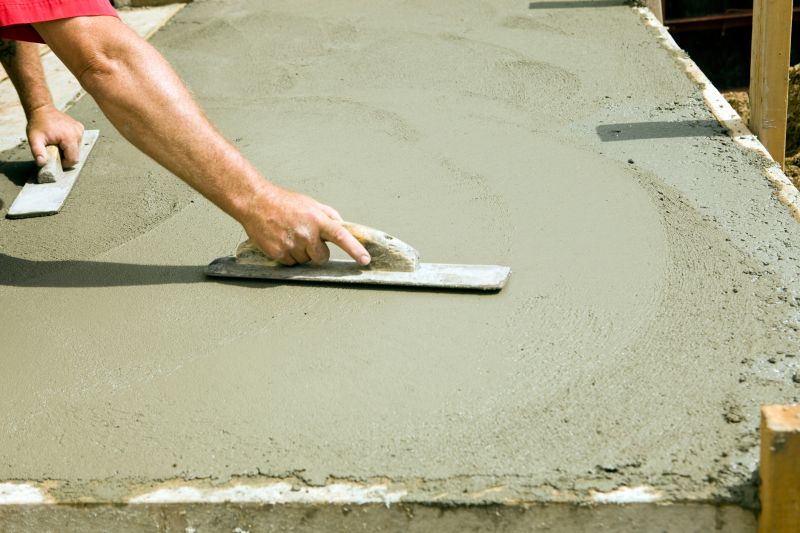
Optimal conditions lead to better curing and surface finish.
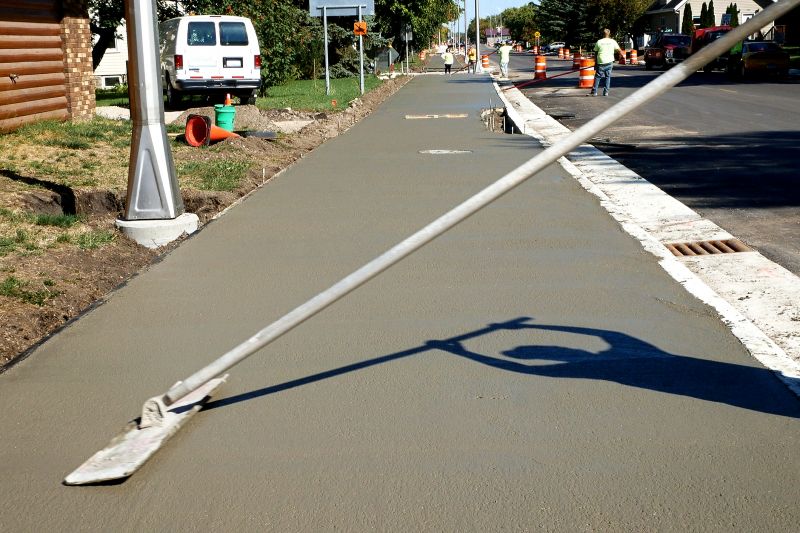
Planning around seasonal weather patterns improves project outcomes.
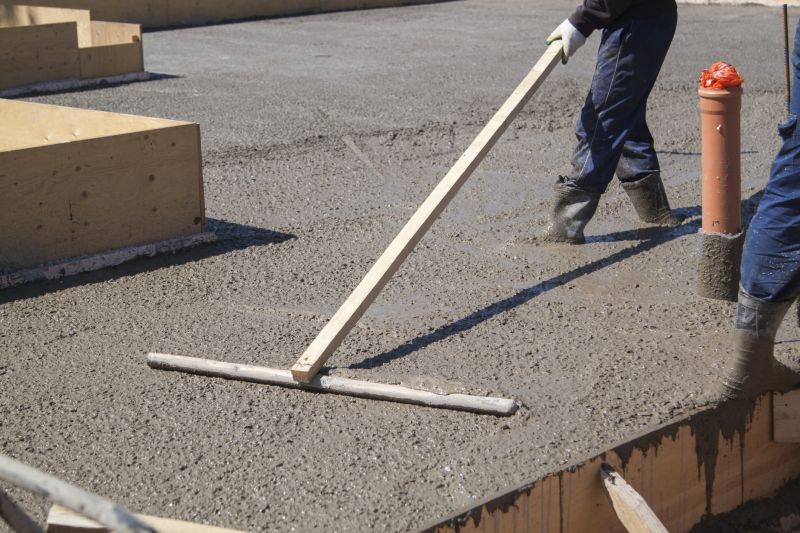
Proper timing ensures complete curing and maximum strength.
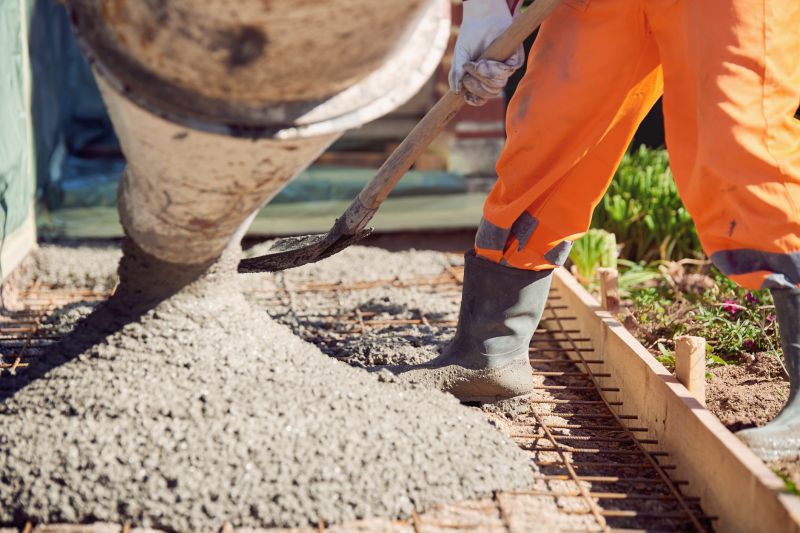
Spring offers ideal temperatures for concrete installation.
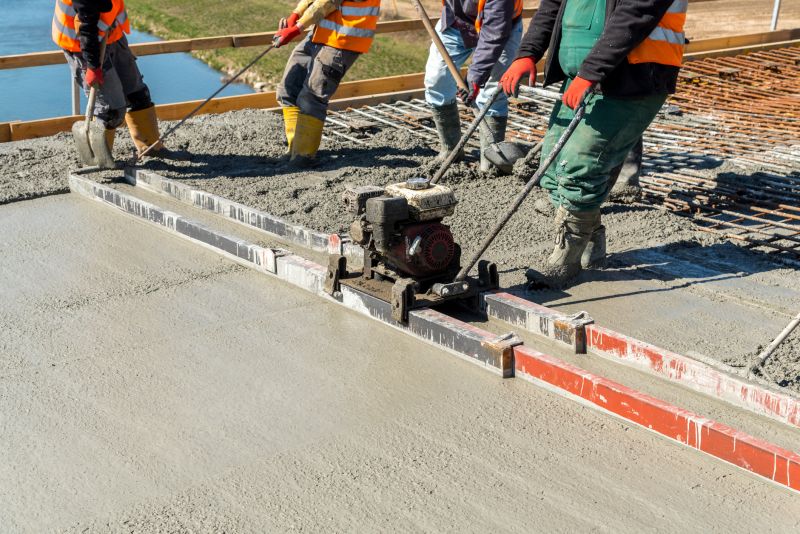
Requires careful scheduling to avoid heat-related issues.
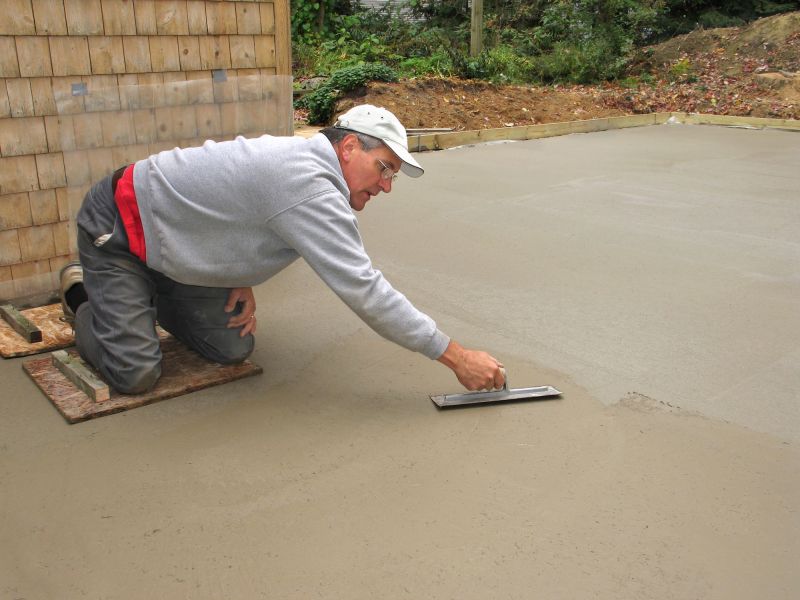
Cooler temperatures help in achieving quality finishes.
| Season | Ideal Conditions |
|---|---|
| Spring | Moderate temperatures, low humidity, minimal rain |
| Summer | Warm temperatures, avoid peak heat hours, monitor moisture |
| Fall | Cooler weather, less rain, stable temperatures |
| Winter | Not recommended in cold climates, unless heated or insulated |
Choosing the right season for concrete installation can significantly impact the quality and longevity of the finished surface. Proper planning and understanding of seasonal weather patterns help in scheduling projects at times when conditions favor optimal curing and minimal disruptions. Consulting with experienced professionals ensures that installations are completed successfully regardless of seasonal challenges.
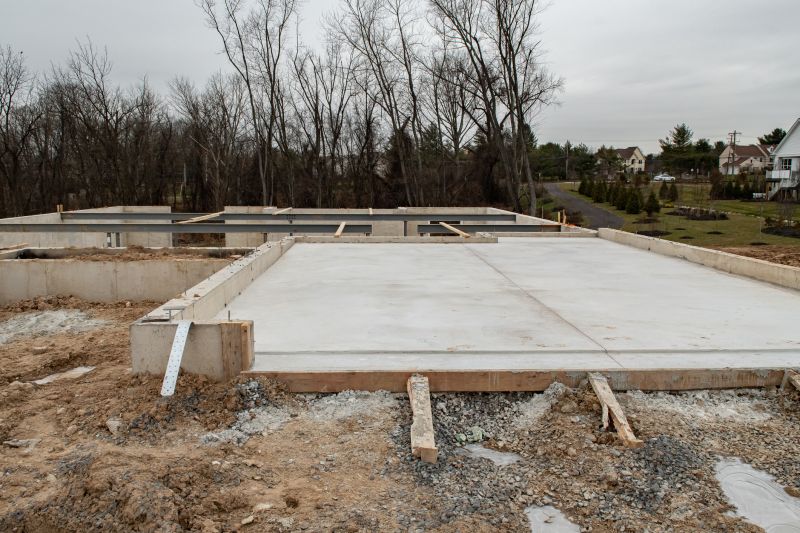
Spring's mild weather supports strong curing.
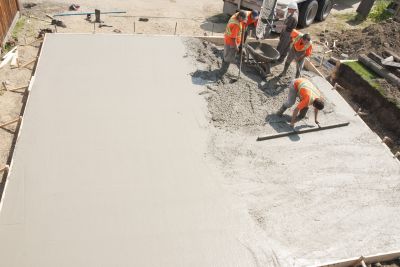
Requires precautions against heat and rapid drying.
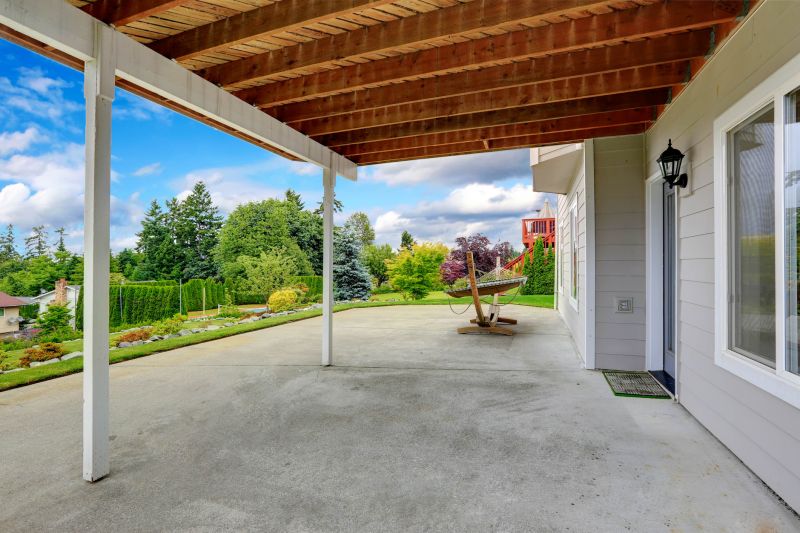
Cooler temperatures promote quality finishes.
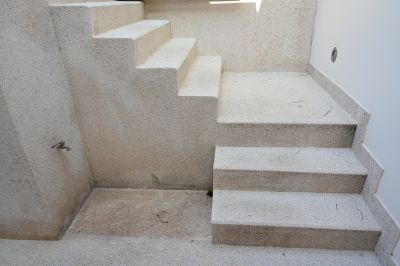
Best avoided in cold climates unless specialized methods are used.
Proper timing for concrete installations ensures durable and long-lasting surfaces. Factors such as temperature, humidity, and rainfall must be considered to achieve optimal results. Planning installations during seasons with stable and moderate weather conditions minimizes risks and enhances the quality of the finished project.
Interested in scheduling a concrete project? Fill out the contact form for more information.